
Home
>
Products > Industrial Components
> Precision Shafts Pins
>
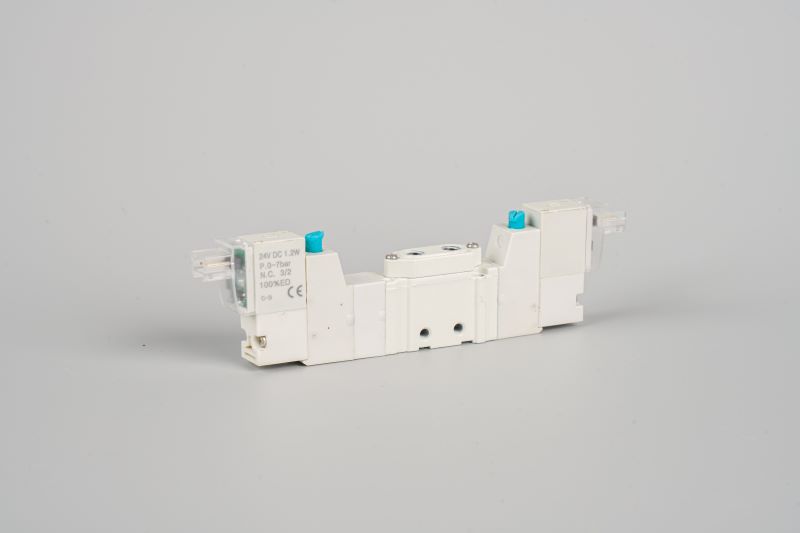
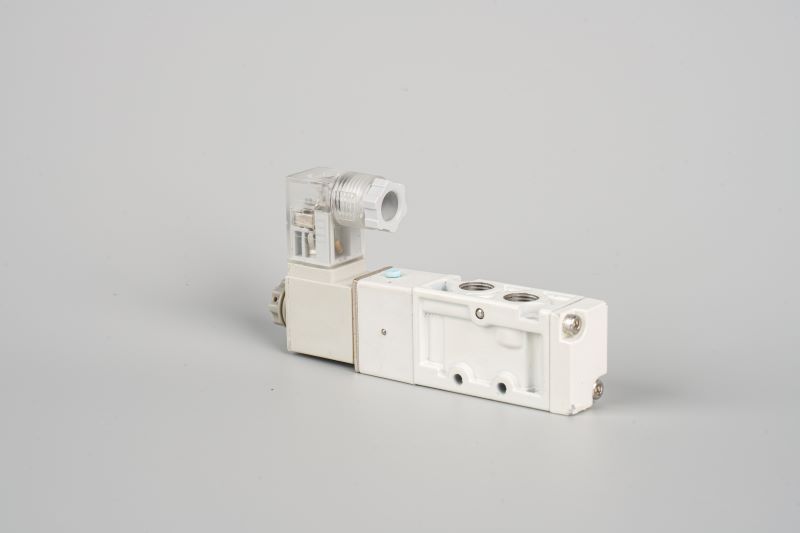
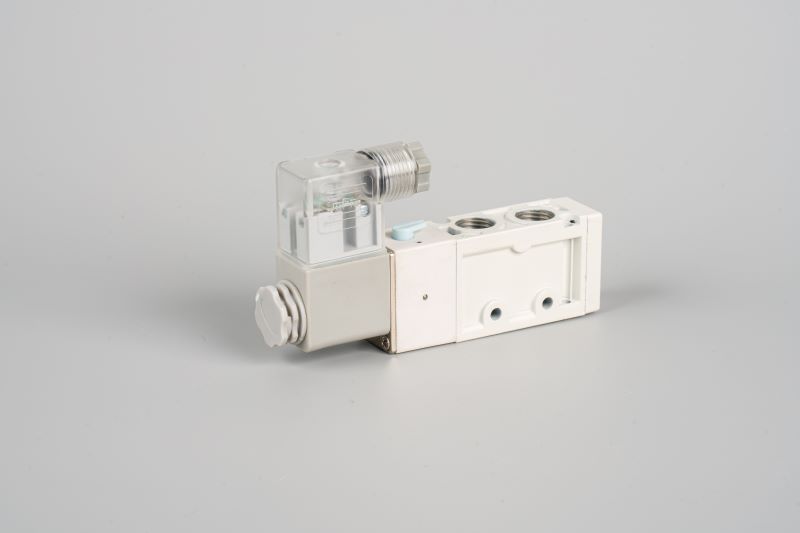
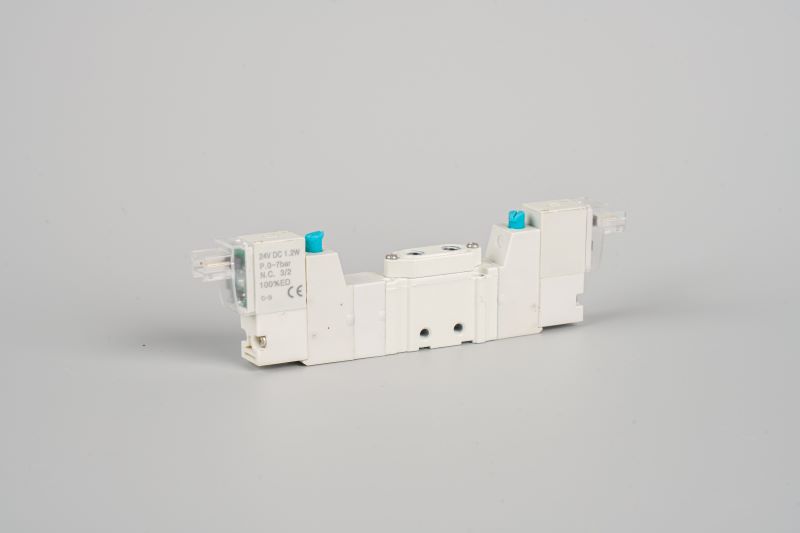
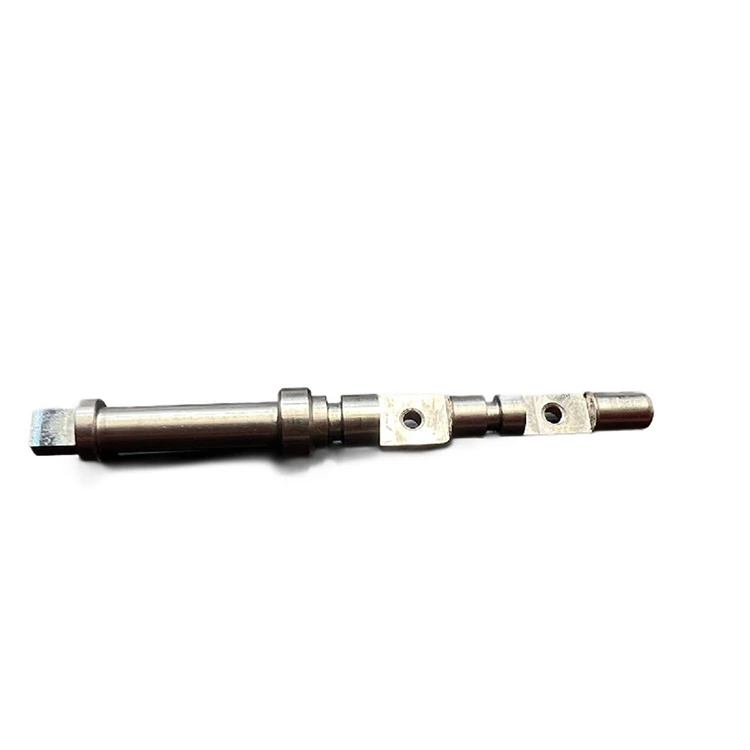
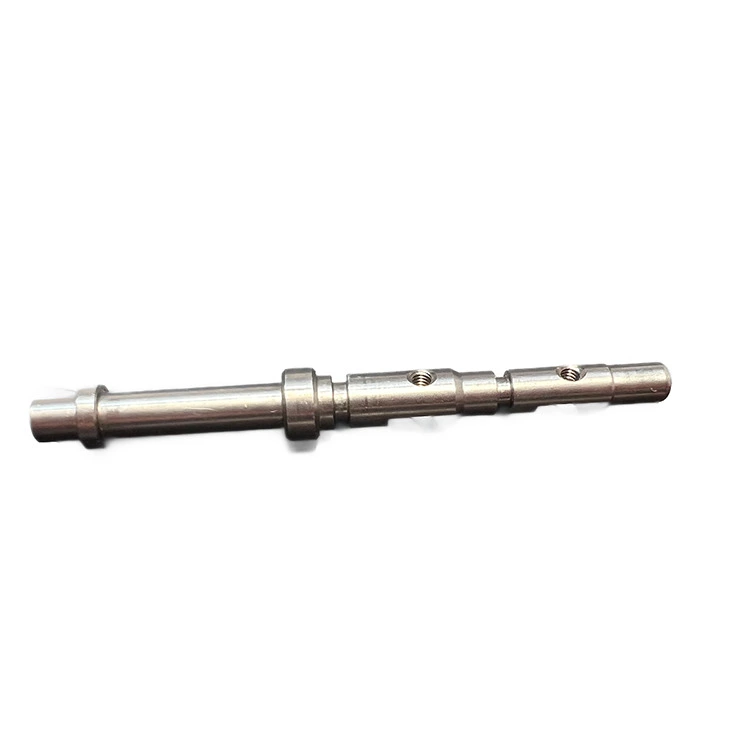
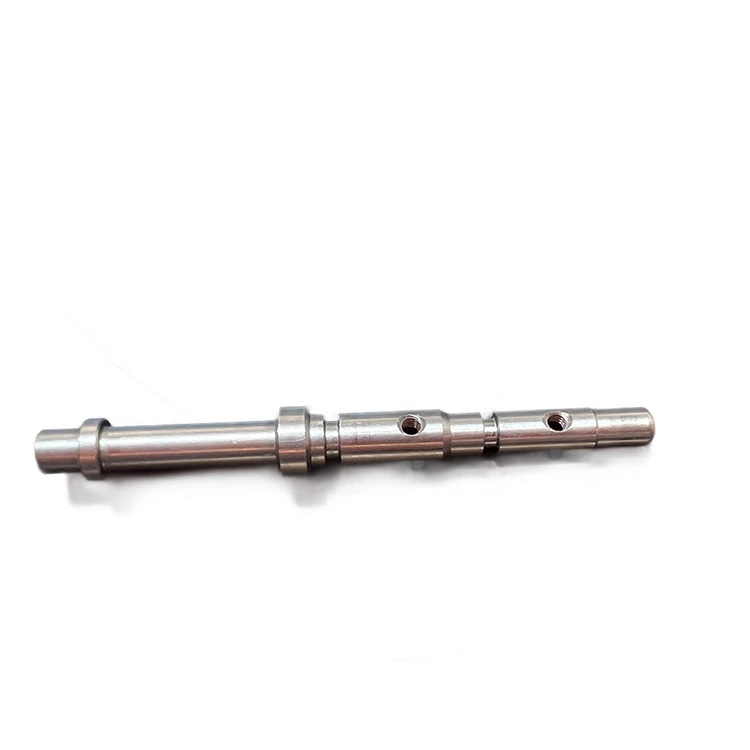
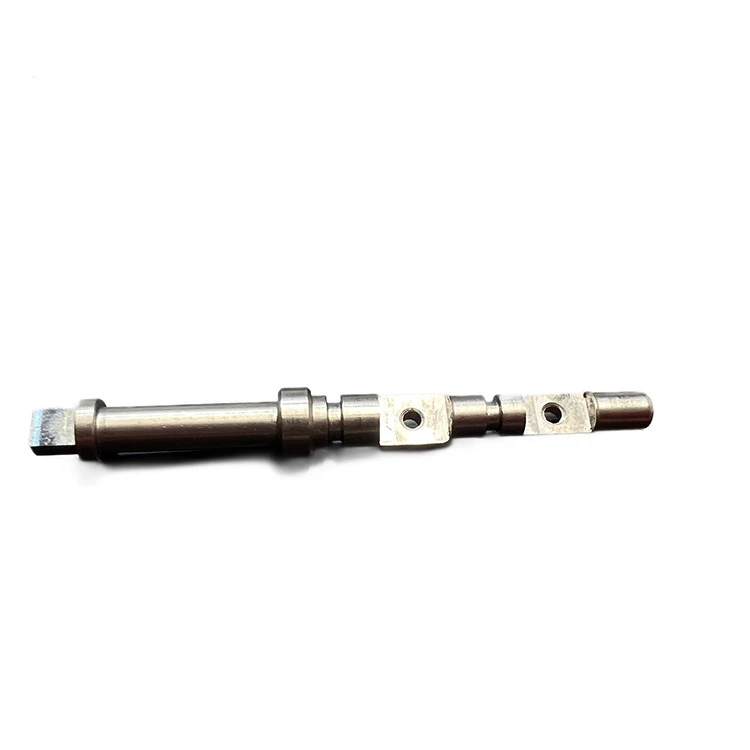
Precision Steel Hinge Pin For Rotary Control Systems

Precision Steel Hinge Pin For Rotary Control Systems
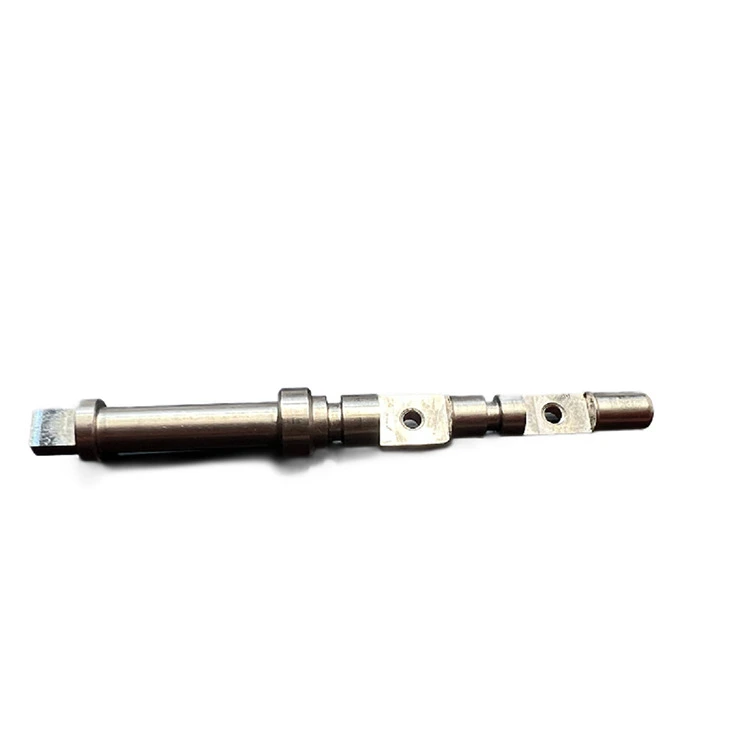
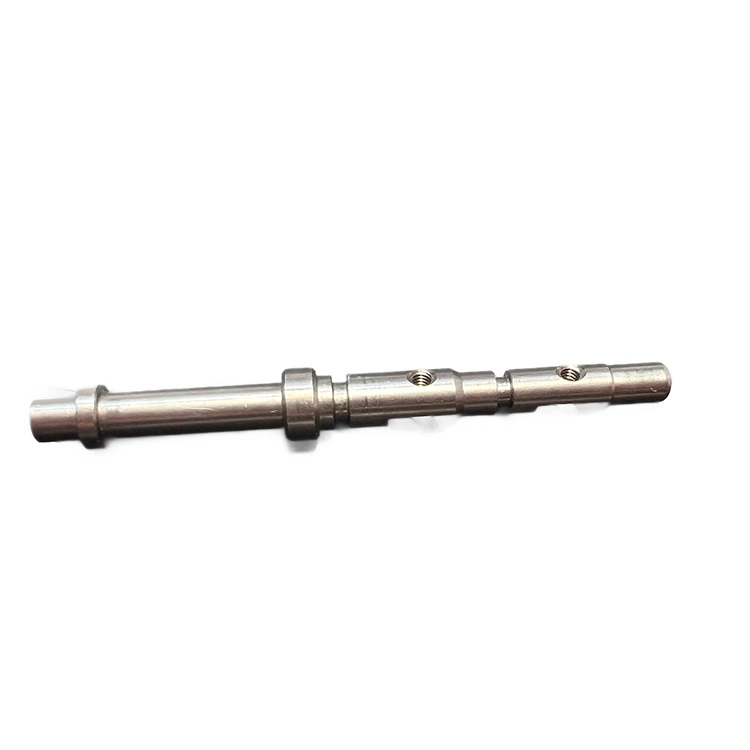
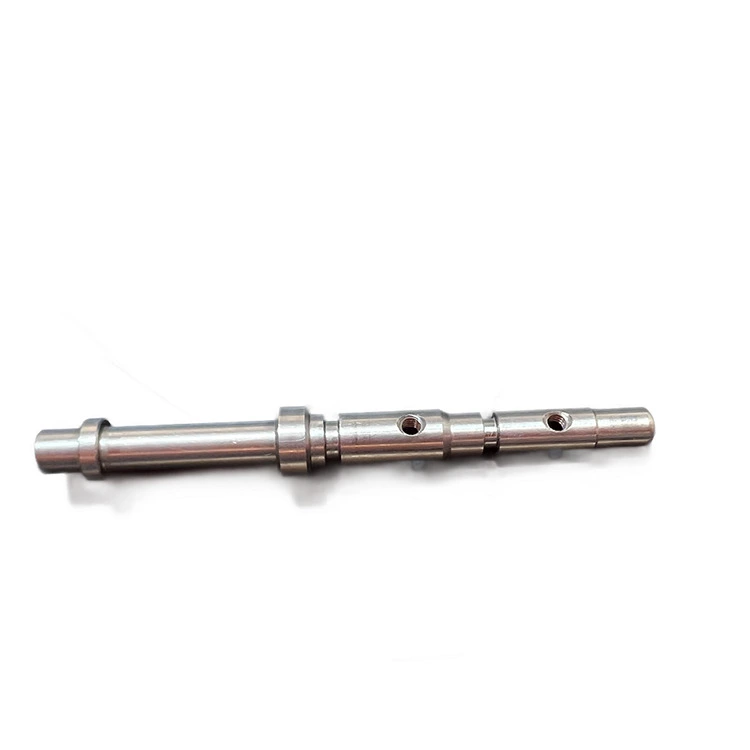
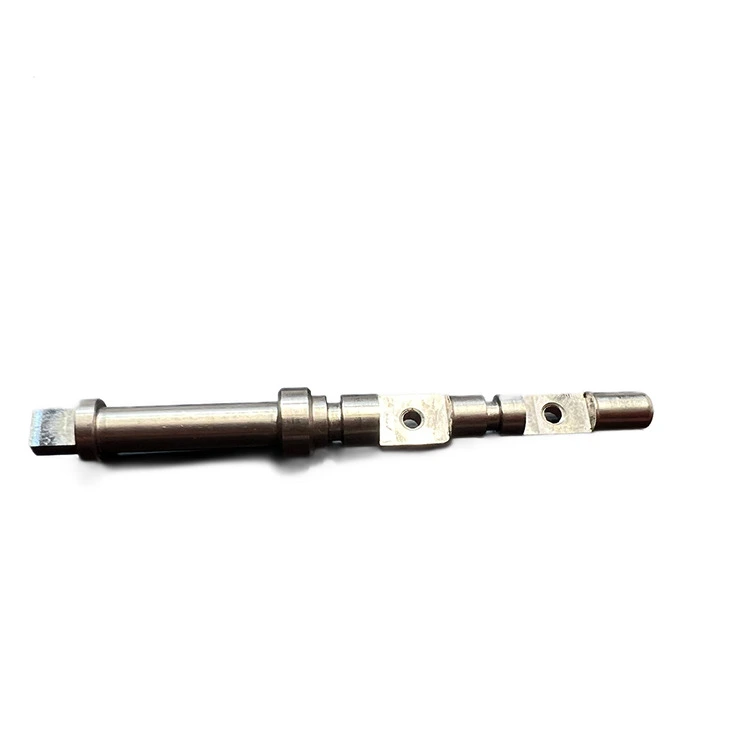
The Precision Steel Hinge Pin For Rotary Control Systems made by Qimao Metal Manufacturer. It holds two parts together while letting one rotate around a fixed axis. Think of potentiometers, dampers, valve linkages, or throttle controls. The pin needs to be straight, smooth, and consistent. If the pin wobbles, the control signal drifts. We cut these on CNC lathes to tight tolerances. The whole thing comes from one bar of steel or stainless steel. No welded parts. No press fit collars. Just a solid pin that does one job well. It keeps your rotary control accurate for thousands of cycles.
Send Inquiry
Product Description
Qimao Metal Manufacturer start production Precision Steel Hinge Pin For Rotary Control Systems with steel and stainless steel. Our CNC lathe turns the outside diameter to a tolerance of plus zero minus two thousandths of an inch. That is tight enough for most rotary controls but not so tight that assembly becomes difficult. Then we cut a small chamfer on both ends so the pin slides into place without scratching anything. No fancy coatings unless you ask for them. No heat treating. Just a clean, straight, precision ground surface. The pin does not need lubrication in most applications because the fit is loose enough to rotate but tight enough to avoid rattling. You give us the length and diameter. We ship pins that drop in and work.
Product Parameter (Specification)
|
Material |
Length (mm) |
Diameter (mm) |
Weight (g) |
|
Steel
|
13.11 |
6.08 |
10.04
|
Product Feature
1. One piece machined construction The whole Precision Steel Hinge Pin For Rotary Control Systems comes from a single metal bar. No welds, no joints, no separate ends pressed on. That means nothing works loose over time. What you put in stays that way.
2. Tight diameter tolerance We hold plus zero minus 0.002 inches on the outer diameter. This keeps the pin centered inside the mating bore. No side to side slop means your control signal stays repeatable.
3. Straightness held under 0.003 inches per foot A bent pin binds or gives erratic readings. We check every batch on a surface plate. If it bows more than three thousandths, it does not ship.
4. Smooth surface finish The machined surface measures 32 microinches or better. That is smooth enough to rotate freely but not mirror polished. No rough spots to wear out plastic bushings.
5. Chamfered ends on both sides Small angles cut at each end. This helps during assembly. The pin finds the hole without catching on edges. Saves time when you are building twenty units on a bench.
6. Choice of stainless or plain steel 303 stainless for wet or outdoor controls. 12L14 steel for indoor dry applications where cost matters more than corrosion resistance. Same tolerances either way.
Application
1. Potentiometer shafts in audio equipment Volume knobs and tone controls need a Precision Steel Hinge Pin For Rotary Control Systems that turns smoothly but does not wobble side to side. A loose shaft makes scratchy noises. This pin holds center while rotating freely.
2. Damper linkages in HVAC systems Air handling units use linkage rods and pivot pins. If the pin has slop, the damper position drifts. Room temperatures become uneven. Our tight tolerance keeps the damper where you set it.
3. Valve actuators in industrial process control Quarter turn valves depend on a pivot pin that does not wear out quickly. Stainless version handles chemical plants. The smooth surface keeps packing glands sealed longer.
4. Throttle linkages in small engines Lawn mowers, generators, and go karts use a simple rotary control for engine speed. A loose hinge pin makes the throttle feel vague. This pin gives positive stops and repeatable settings.
5. Tuning capacitors in radio equipment Old school variable capacitors rotate on a shaft that must be perfectly straight. Any bend changes capacitance. Our straightness spec keeps tuning accurate across the full range.
6. Pedal linkages in musical instruments Piano pedals and organ swell pedals pivot on hinge pins. Players feel a loose pin. It makes the instrument feel cheap. A tight pin gives solid, predictable resistance under foot.
How To Use
Step 1 – Clean the bore Wipe out the hole where the pin will sit. Any dirt or old grease changes the effective diameter. Use a cotton swab or a small brush. Takes ten seconds but saves trouble later.
Step 2 – Check the fit by hand Slide the Precision Steel Hinge Pin For Rotary Control Systems into the bore using your fingers only. It should go in with light pressure. If you need a hammer, the pin is too big. If it falls through, the pin is too small.
Step 3 – Insert to full depth Push the pin until it sits flush with the outer part of the control assembly or until it reaches a shoulder if your design has one. No gaps allowed.
Step 4 – Rotate by hand Turn the control through its full range of motion. You should feel smooth movement with no tight spots or grinding. If it binds, pull the pin and check for burrs.
Step 5 – Secure if needed Some rotary controls need a retaining clip or a setscrew. Install those now. Do not overtighten a setscrew against the pin. Just snug plus a quarter turn.
Step 6 – Test under load Run the control through twenty cycles. Check again for side play or binding. A good pin will feel the same on cycle twenty as it did on cycle one.
Hot Tags: Precision Steel Hinge Pin For Rotary Control Systems, China, Manufacturer, Supplier, Factory, Customized, Quality, Cheap, Made in China
Related Categories
Send Inquiry
Please feel free to fill your inquiry in the form below. We will reply you in 24 hours.
Related Products
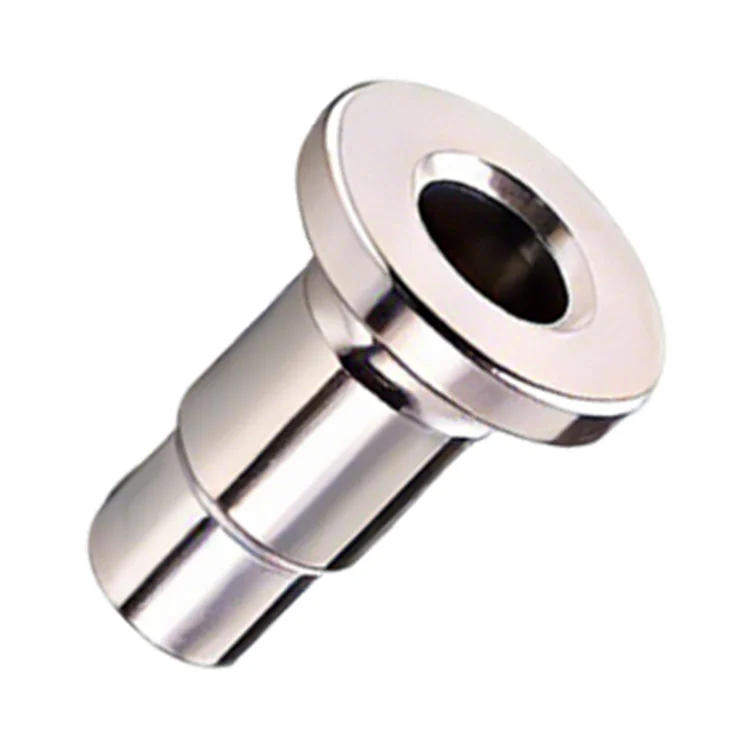 Stainless Steel Flanged Hollow Stepped Dowel Pin
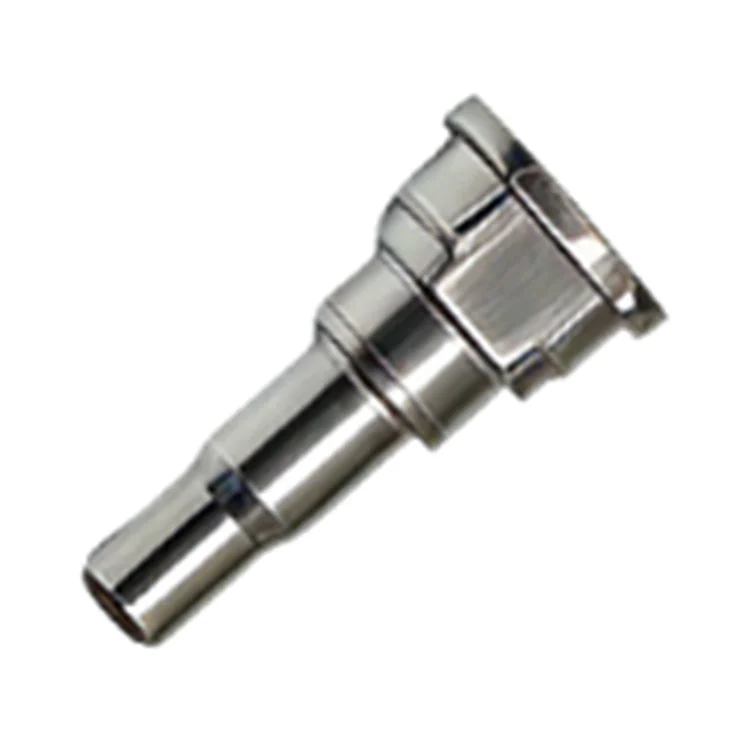 Precision High Strength Steel Grooved Dowel Pin for Mechanical Assemblies
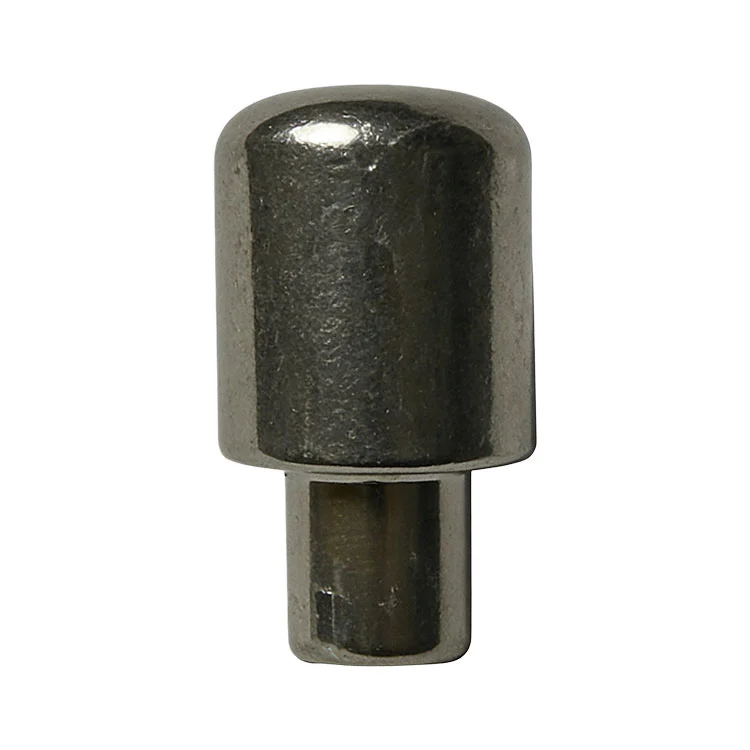 Cold Heading Precision Pivot Pin for Automotive Horn Assembly
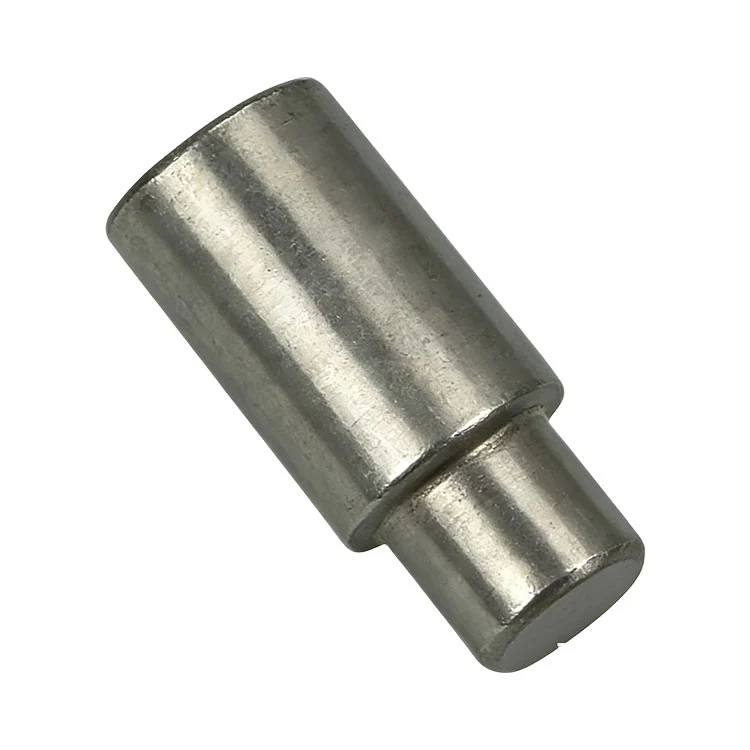 Cold Heading Stepped Dowel Pin for Machinery and Automotive
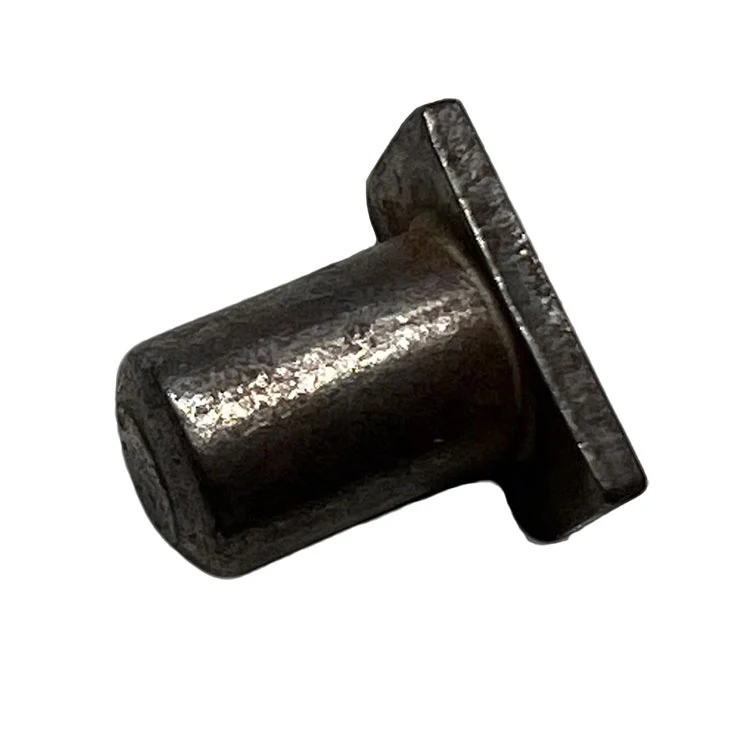 Rectangle Head Carbon Steel Solid Rivet for Machinery Assembly
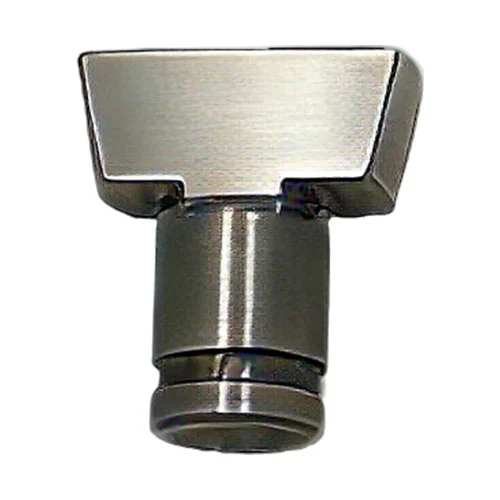 Indexing Plunger with T Handle Locking Pin for Fixture Positioning




X
We use cookies to offer you a better browsing experience, analyze site traffic and personalize content. By using this site, you agree to our use of cookies.
Privacy Policy