
Home
>
Products > Industrial Components
> Precision Shafts Pins
>
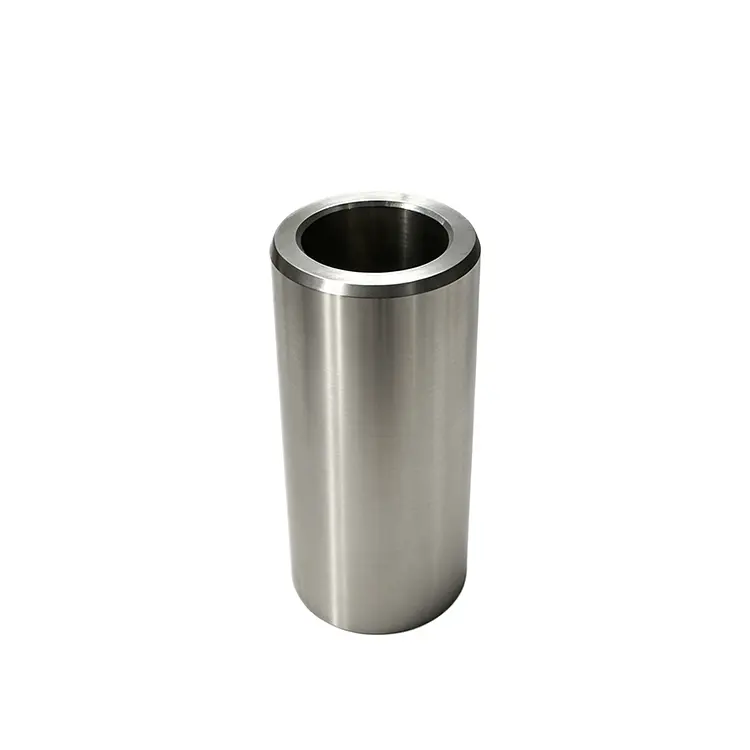
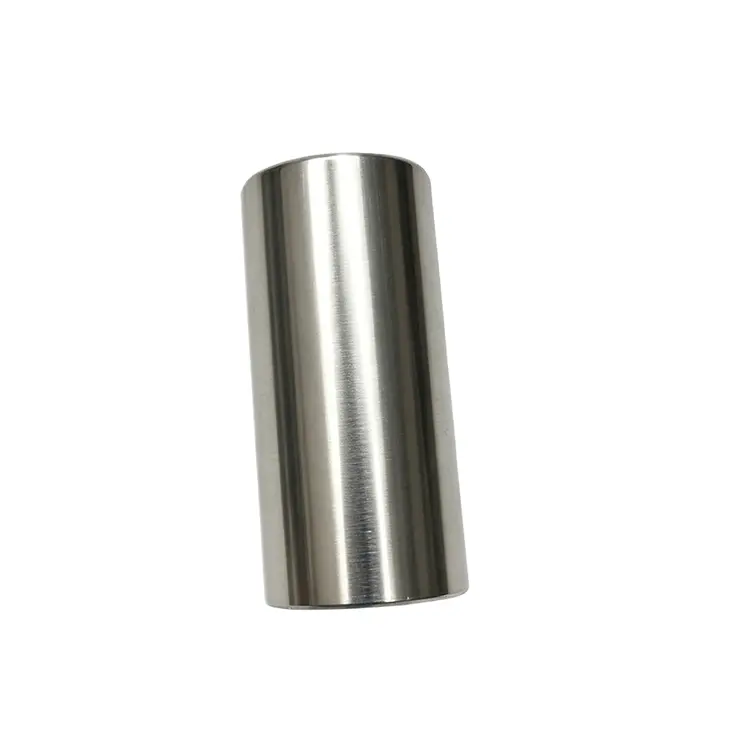
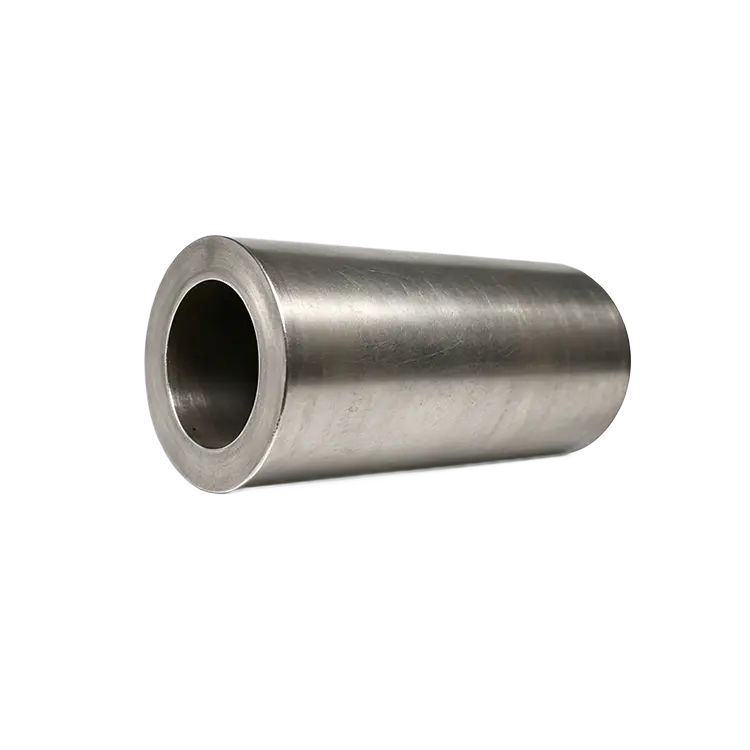
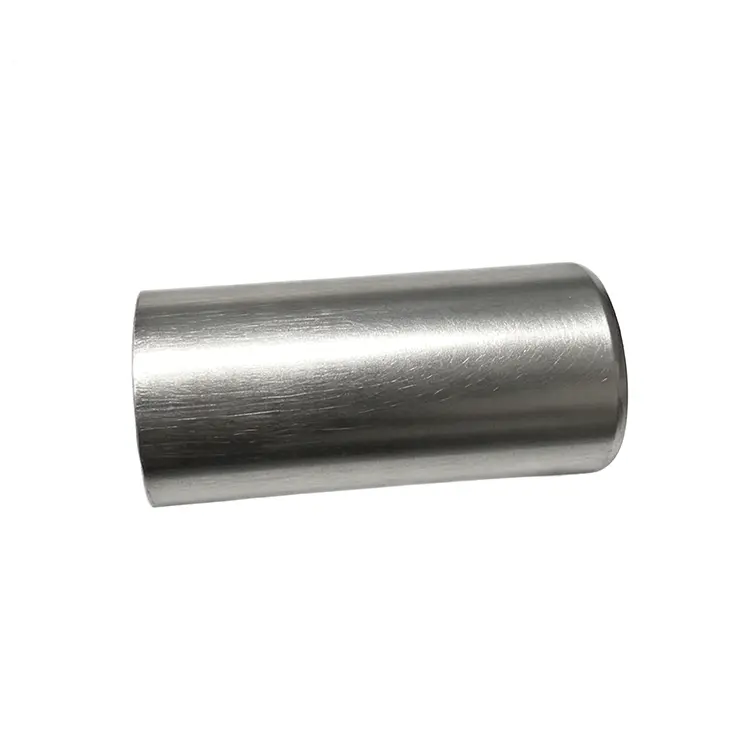
Precision Hollow Steel Shaft Bushing for Automation Equipment
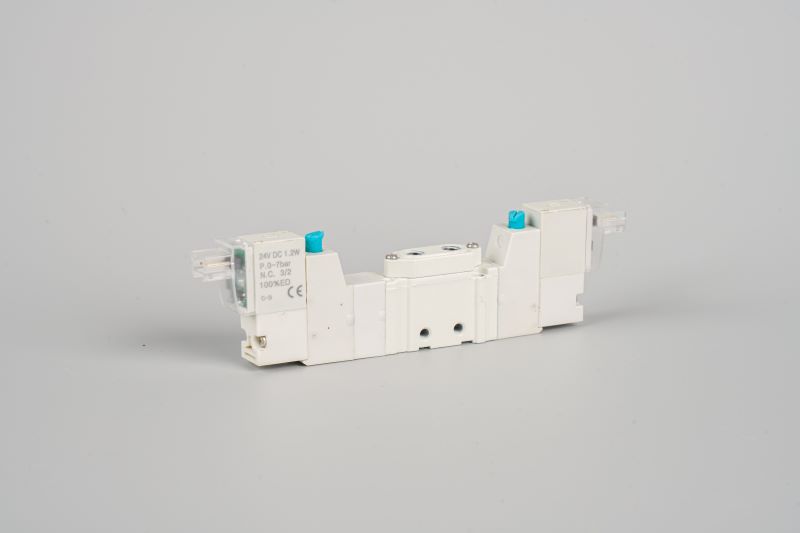

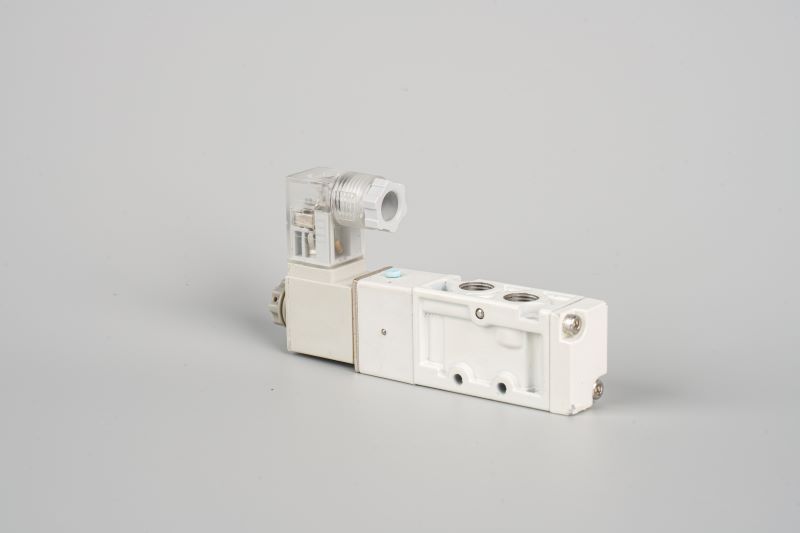
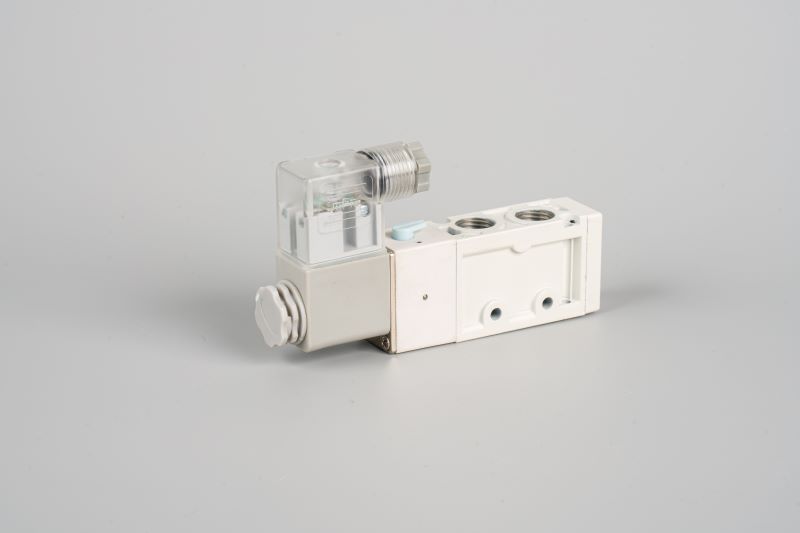
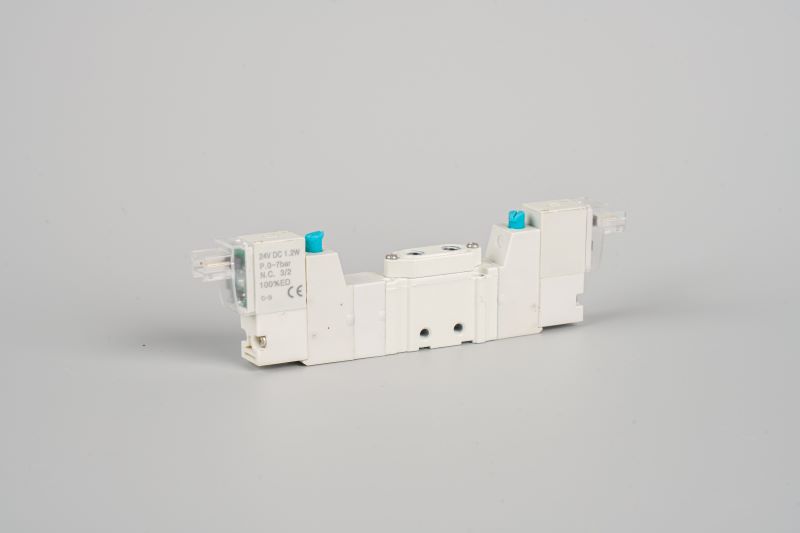
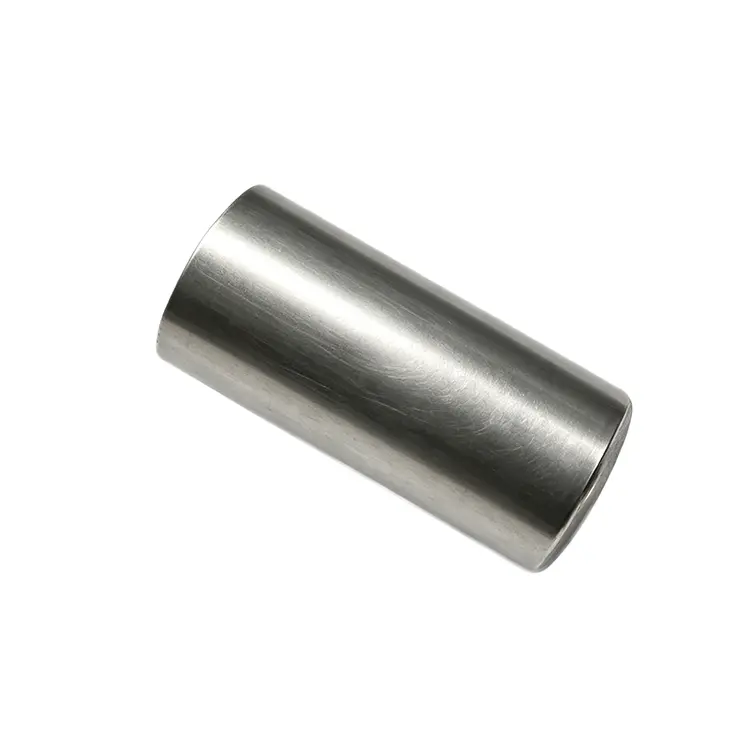
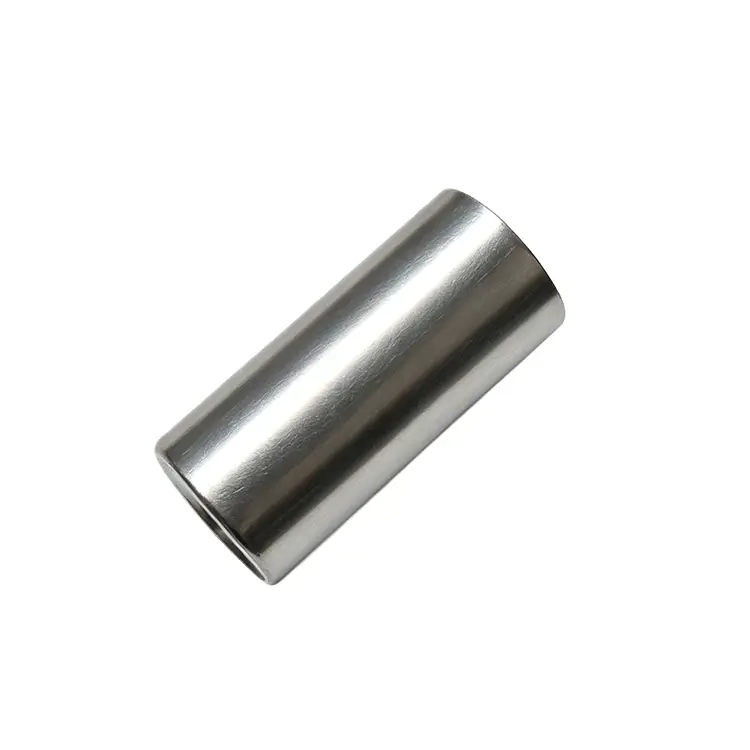
Precision Hollow Steel Shaft Bushing for Automation Equipment
The Precision Hollow Steel Shaft Bushing for Automation Equipment from Qimao Metal Manufacturer is through-hardened, not just case-hardened. The ID and OD get ground in the same setup, so the wall thickness stays even within 0.01mm. Order now!
Send Inquiry
Product Description
As a professional supplier, Qimao Metal Manufacturer provides high-quality Precision Hollow Steel Shaft Bushing for Automation Equipment. The hollow core cuts weight by about 40% compared to solid shafting, which helps your servo motors last longer. No coating that peels off. No loose tolerances that let dirt in. Just a steel bushing that holds its geometry after a million cycles. Install it and forget it for a while.
Product Parameter (Specification)
|
Material |
Length (mm) |
Diameter: (mm) |
Weight (g) |
|
Steel |
27.65 |
13.12 |
15.17 |
Product Feature
· Through-hardened steel, not just surface hardened – Precision Hollow Steel Shaft Bushing for Automation Equipment hollow sections flex more than solid ones, so a thin case-hardened layer won’t last. We harden all the way through (HRC 55–60). The bore resists scoring from reciprocating shafts, and the outer diameter won’t bell-mouth under side loads. It keeps running smooth long after cheaper bushings have worn loose.
· ID and OD ground from one setup – Most bushings get ground on the OD first, then the ID. That introduces concentricity errors. We grind both diameters in the same clamping cycle, so the wall thickness stays even within 0.01mm. Your linear motion stays straight. No rocking. No binding. Just predictable movement cycle after cycle.
· Lightweight hollow design without losing strength – We removed material from the middle, not from the wall. The hollow core reduces overall weight by about 40% compared to solid shafting, which matters when your automation arm cycles thousands of times per day. Less inertia means your servo motor works less and positioning stays crisp.
Application
Pick-and-place automation arms – Precision Hollow Steel Shaft Bushing for Automation Equipment used as the main pivot bushing on rotary actuators. The hollow design runs a sensor cable through the center, keeping wires out of the moving path. The precision ID keeps vertical lift motion straight without binding, even at 80 cycles per minute on high-speed assembly lines.
· Linear guide housings for lightweight gantries – Mounted inside aluminum housing blocks where every gram matters. The hollow shaft bushing carries radial loads while allowing a pneumatic line or wire harness to pass through the middle. Cleaner machine layout and fewer moving parts to snag or wear out over time.
· Cam follower applications in packaging machines – Used as a stationary bushing inside a rotating cam arm. The through-hardened bore handles the oscillating motion of a hardened steel pivot pin without developing oval wear. Typical lifespan more than doubles compared to case-hardened bushings on continuous-run packaging lines.
· End-of-arm tooling changers – Acts as the alignment and load-bearing bushing inside quick-change couplers. The hollow center leaves room for pneumatic ports or electrical pins. Tight concentricity ensures the tool reattaches to the same position within 0.02mm every time, shift after shift, without manual recalibration.
How to use
Installing a Precision Hollow Steel Shaft Bushing for Automation Equipment correctly takes a few simple steps: First, check your housing bore for burrs or debris. The bushing should press in with light interference — typically 0.01mm to 0.02mm tighter than the bushing OD. Use a press, not a hammer. Push on the outer ring only, never on the thin wall. For the mating shaft, make sure it has a smooth ground finish (Ra 0.4μm or better) and sharp edges broken. Slide the shaft in by hand first to confirm alignment. If it feels tight before the bushing is seated, something is misaligned. For oscillating or high-speed applications, add grease grooves or specify our pre-lubricated version. To remove an old bushing, press it out from the back using a punch that contacts the outer ring, not the thin wall. Replace when you feel side play or see visible wear tracks inside the bore.
Production Details
The products Precision Hollow Steel Shaft Bushing for Automation Equipment material is high-carbon bearing steel, GCR15 grade, same stuff used in precision bearings. Hardness runs HRC 55 to 60, through-hardened, not just a thin skin. Concentricity between ID and OD stays within 0.01mm because we grind both diameters in the same clamping setup. Surface finish on the bore and outer diameter measures Ra 0.2 to 0.4μm after centerless grinding. Wall thickness variation is held to 0.01mm max, so no thin spots that collapse under load. Standard bore sizes start at 8mm and go up to 25mm. Custom lengths available up to 300mm, lead time around 12 to 18 working days. Also available with spiral grease grooves or a PTFE-coated ID for dry running applications.
Hot Tags: Precision Hollow Steel Shaft Bushing for Automation Equipment, China, Manufacturer, Supplier, Factory, Customized, Quality, Cheap, Made in China
Related Categories
Send Inquiry
Please feel free to fill your inquiry in the form below. We will reply you in 24 hours.
Related Products
 Stainless Steel Flanged Hollow Stepped Dowel Pin
 Precision High Strength Steel Grooved Dowel Pin for Mechanical Assemblies
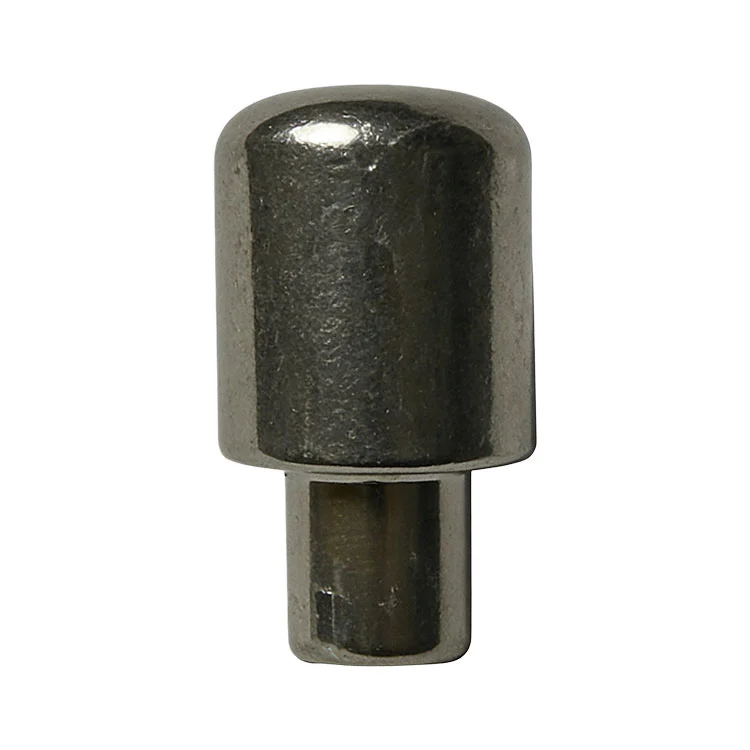 Cold Heading Precision Pivot Pin for Automotive Horn Assembly
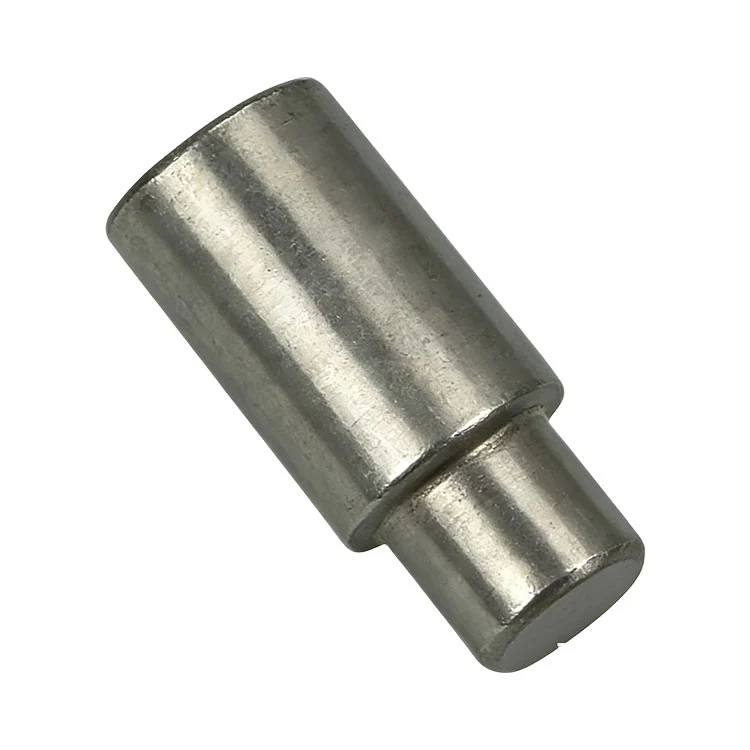 Cold Heading Stepped Dowel Pin for Machinery and Automotive
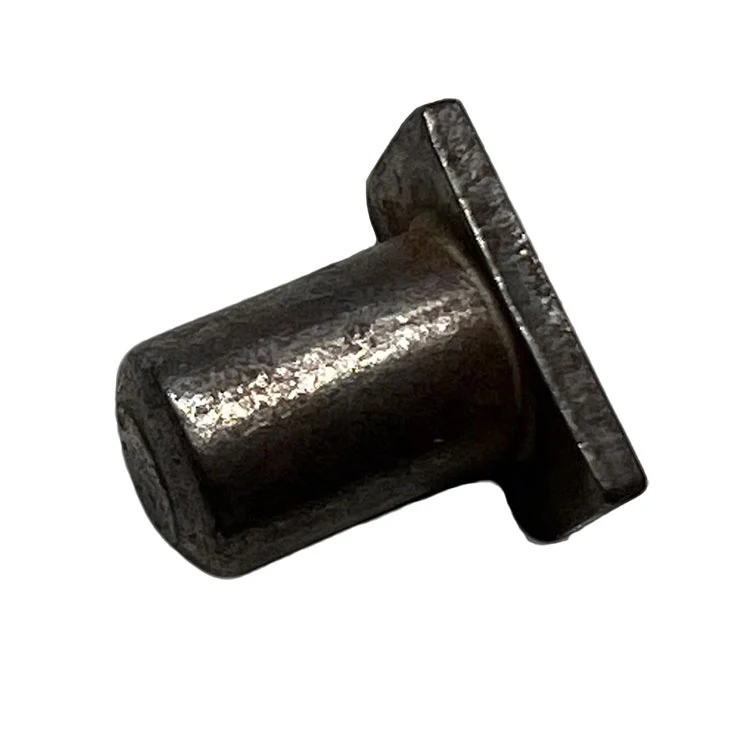 Rectangle Head Carbon Steel Solid Rivet for Machinery Assembly
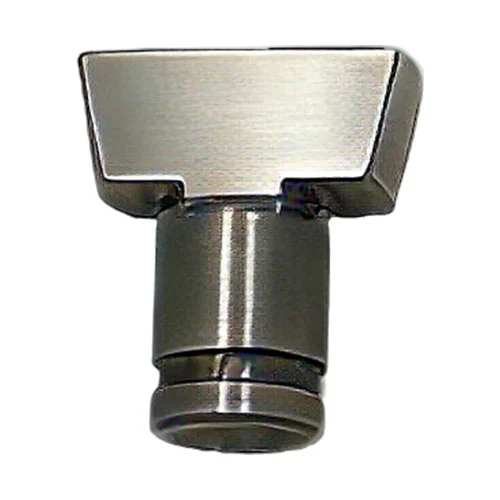 Indexing Plunger with T Handle Locking Pin for Fixture Positioning




X
We use cookies to offer you a better browsing experience, analyze site traffic and personalize content. By using this site, you agree to our use of cookies.
Privacy Policy