
Home
>
Products > Industrial Components
> Precision Shafts Pins
>
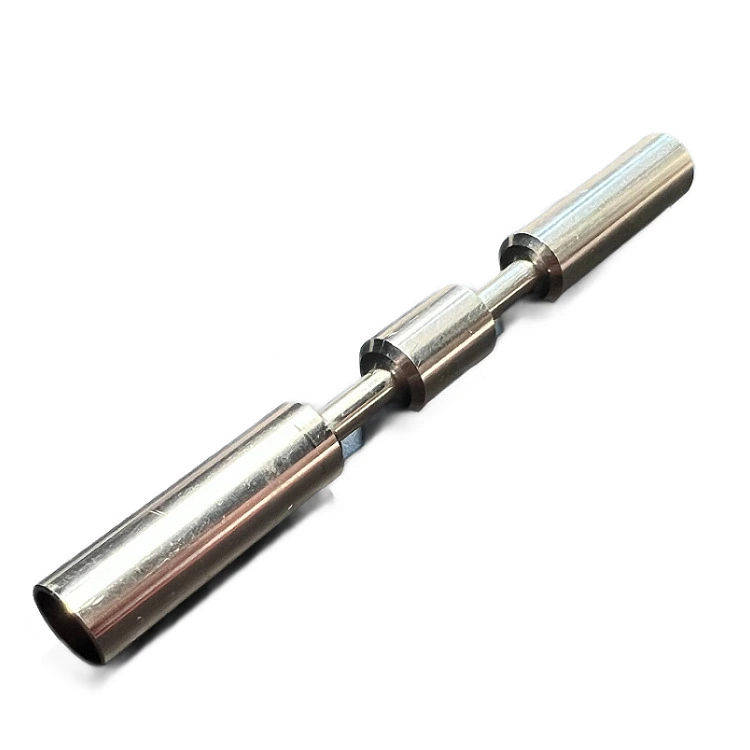
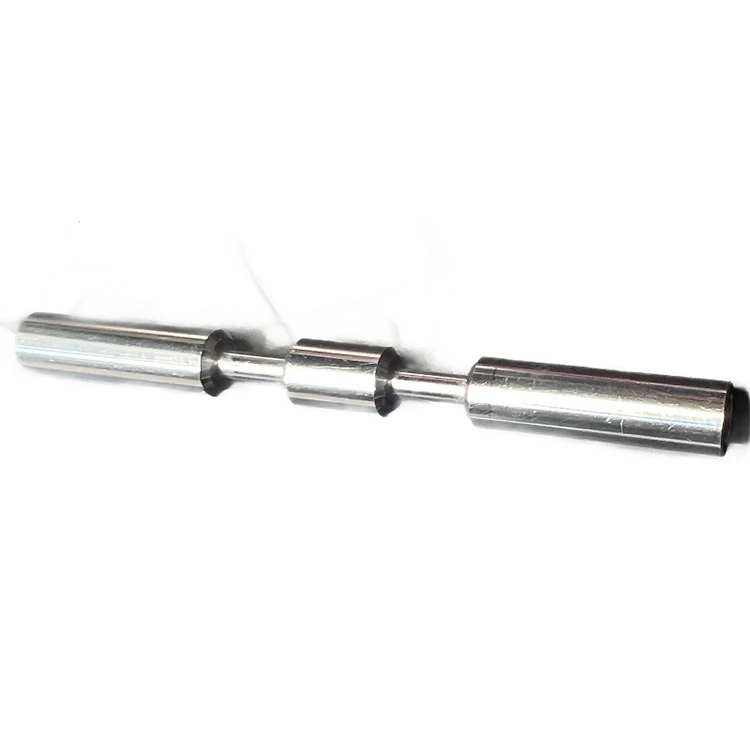
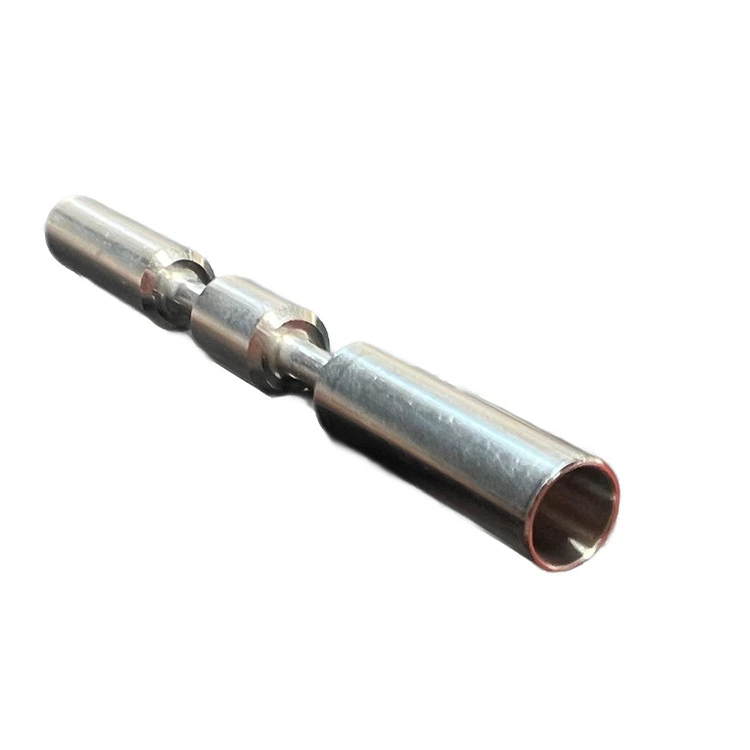
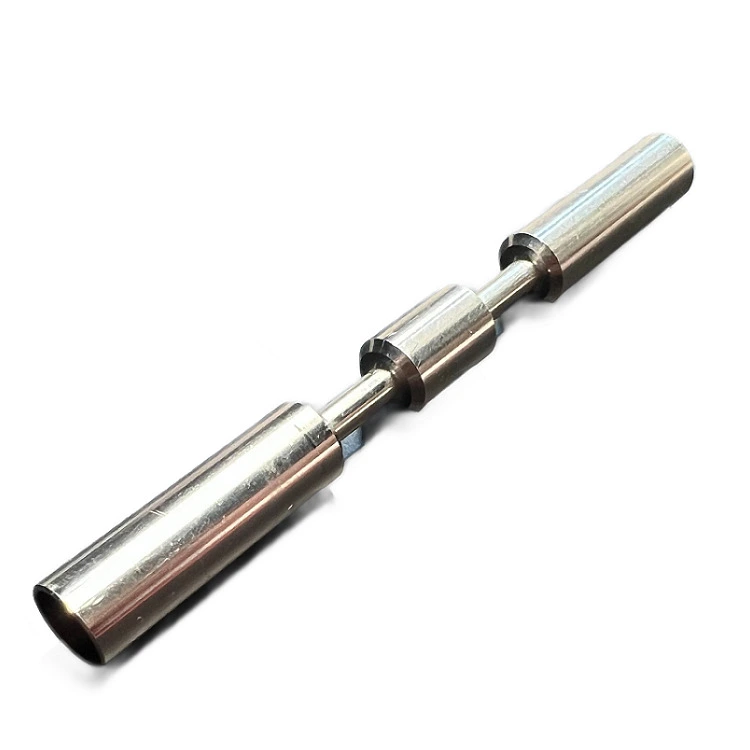
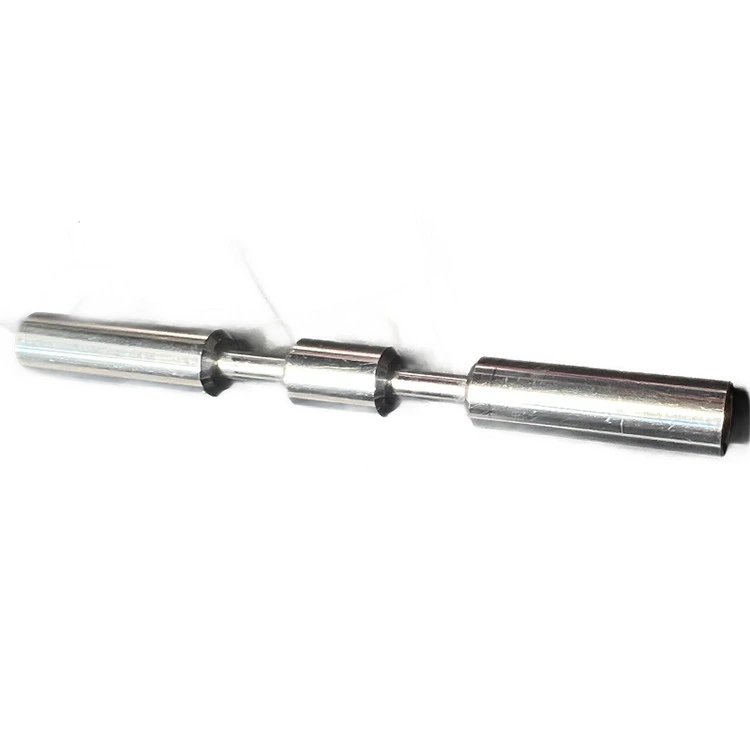
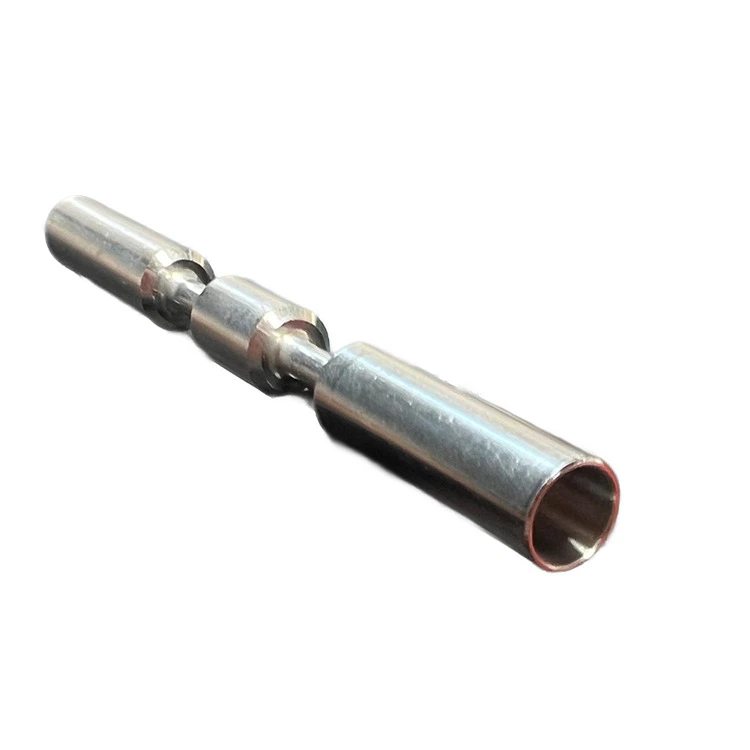
One-Piece Hollow Aluminum Stepped Hinge Pin

One-Piece Hollow Aluminum Stepped Hinge Pin
Qimao Metal Manufacturer makes this One-Piece Hollow Aluminum Stepped Hinge Pin from aluminum in one solid piece, then cut the hollow center and the stepped shoulders on the same setup. That means no welds, no separate collars, no alignment guesswork. Contact us!
Send Inquiry
Product Description
This Qimao Metal Manufacturer's One-Piece Hollow Aluminum Stepped Hinge Pin stays straight under load, weighs about half of what a steel pin would, and still handles repeated pivoting without wallowing out the hole. The stepped design keeps the pin from sliding sideways once installed. The hollow core helps if you need to run a wire through the hinge axis or simply want to shave extra grams. This is not a decorative pin. It is a functional component for anything that swings, folds, or rotates around a fixed axis.
Product Parameter (Specification)
|
Material |
Length (mm) |
Diameter (mm) |
Weight (g) |
|
Aluminum
|
75.82 |
7/5.6 |
5 |
Product Feature
1. One piece, no joints The whole One-Piece Hollow Aluminum Stepped Hinge Pin is cut from one aluminum bar. No welding. No glue. Nothing to break apart later.
2. Hollow inside We drill a hole down the center. It makes the pin lighter. You can also run a wire through it if needed.
3. Stepped shape The pin has wider sections that act like stops. They keep the pin from sliding sideways inside the hinge. No extra clips or washers.
4. Aluminum material It does not rust. Even outside in the rain or near the ocean. Stays smooth and easy to remove years later.
5. Smooth surface finish The pin turns freely inside the hinge barrel. No squeaking. No need to grease it unless you want to.
Usage Scenarios
1. Cabinet doors in kitchens and bathrooms The One-Piece Hollow Aluminum Stepped Hinge Pin is light so the door feels lighter. The steps keep it from falling out when you open the door sideways. No rust from humidity.
2. Outdoor gates on farms Steel pins rust and get stuck. This one does not. Rain and dust do not hurt it. You can still lift the gate off later when you need to fix a post.
3. Folding exercise equipment Treadmills and step machines that fold up need a pin that stays put. The stepped shoulders stop side drift. The hollow pin also keeps the machine lighter to move around.
4. Drone gimbals and camera mounts Every gram matters in the air. The hollow bore cuts weight. Some people run wires through the middle. The steps help center the pin during assembly.
5. Boat hatches and marine doors Salt water kills steel pins. This one survives. No red rust stains on white boat decks. The pin will not fall out when you lift the hatch straight up.
Installation Tutorial
1. Lay the One-Piece Hollow Aluminum Stepped Hinge Pin on a flat surface with the knuckles aligned. Make sure there is no dirt or old grease inside the barrels before you insert the pin.
2. Slide the stepped hinge pin in from one end. The larger step sections will stop automatically when they meet the first hinge knuckle. Do not hammer the pin. It should go in with light finger pressure.
3. Push until the final step seats against the last knuckle. The pin is fully home when both ends are flush or slightly recessed relative to the outer hinge leaves.
4. Check for side play by trying to shift the pin axially with a small screwdriver. A correctly stepped pin will not move more than 0.2mm. If it moves more, the step positions are mismatched to your hinge.
5. For hinges that need a retaining clip, insert a roll pin or cotter pin through the optional cross hole at the small end. Do not bend the hinge pin itself.
Hot Tags: One-Piece Hollow Aluminum Stepped Hinge Pin, China, Manufacturer, Supplier, Factory, Customized, Quality, Cheap, Made in China
Related Categories
Send Inquiry
Please feel free to fill your inquiry in the form below. We will reply you in 24 hours.
Related Products
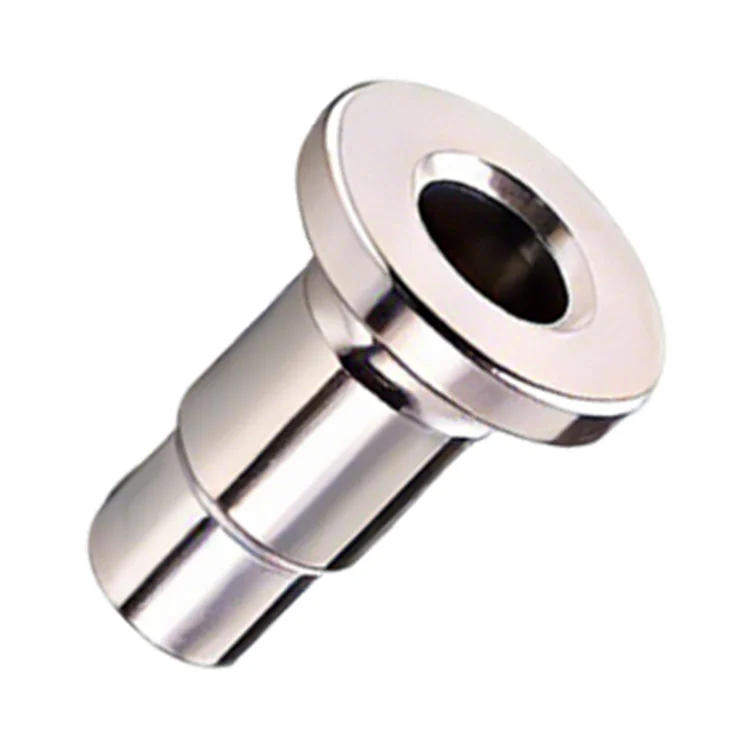 Stainless Steel Flanged Hollow Stepped Dowel Pin
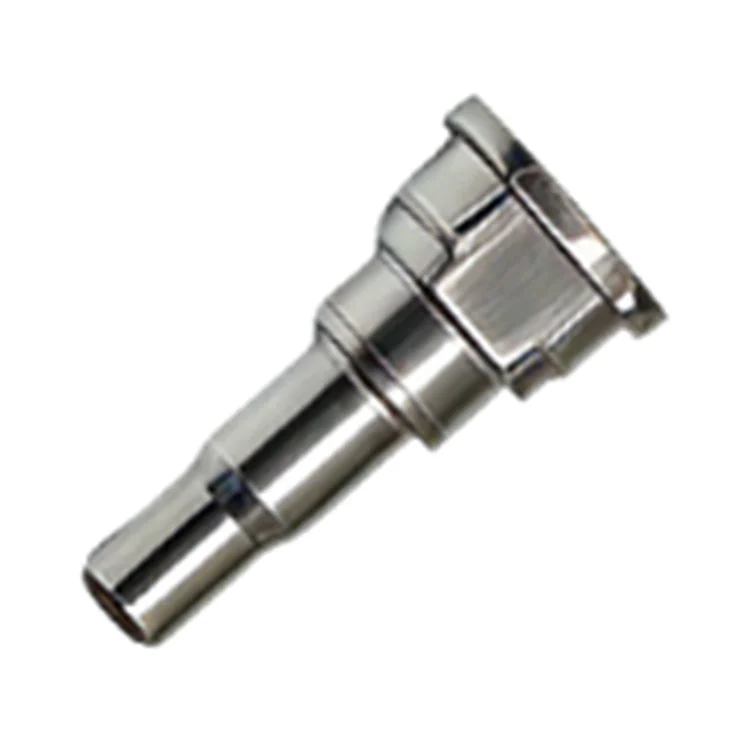 Precision High Strength Steel Grooved Dowel Pin for Mechanical Assemblies
 Cold Heading Precision Pivot Pin for Automotive Horn Assembly
 Cold Heading Stepped Dowel Pin for Machinery and Automotive
 Rectangle Head Carbon Steel Solid Rivet for Machinery Assembly
 Indexing Plunger with T Handle Locking Pin for Fixture Positioning




X
We use cookies to offer you a better browsing experience, analyze site traffic and personalize content. By using this site, you agree to our use of cookies.
Privacy Policy