
How Does a Pneumatic Muffler Silencer Reduce Noise in Industrial Pneumatic Systems
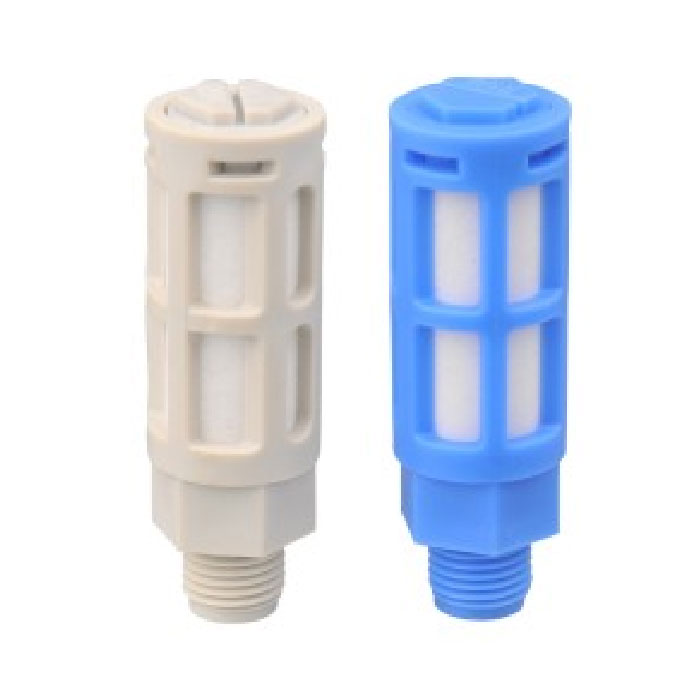
A Pneumatic Muffler Silencer is a practical component for reducing exhaust noise in industrial pneumatic systems. When compressed air is released from a directional control valve, cylinder, or actuator, the sudden pressure change can create a sharp and high-velocity exhaust sound. By changing the airflow path and controlling the way compressed air expands into the atmosphere, a suitable silencer can reduce noise while maintaining the pneumatic performance required by the machine. At Qimao Pneumatic, we consider noise reduction together with airflow, operating pressure, connection size, and application conditions when evaluating pneumatic silencer solutions.
In industrial automation, noise control is not simply a matter of making equipment quieter. A silencer that is too restrictive may increase back pressure and influence cylinder speed or valve response. For this reason, we recommend treating the Pneumatic Muffler Silencer as part of the complete pneumatic circuit rather than as an isolated accessory.
Where Does Noise Come From in Industrial Pneumatic Systems?
Compressed air inside a pneumatic system is maintained at a pressure higher than atmospheric pressure. When a directional control valve opens the exhaust passage, the pressure difference causes air to move rapidly toward the atmosphere. This rapid discharge produces turbulence, pressure fluctuations, and acoustic energy, which operators usually hear as a sharp hiss or rushing sound.
The actual noise level can vary considerably between machines. Operating pressure, exhaust flow, valve configuration, cylinder volume, actuator speed, and cycling frequency all influence the sound generated at the exhaust port. A single pneumatic cylinder may only produce a short burst of noise, but a production machine running hundreds or thousands of cycles per shift can create a much more noticeable acoustic environment.
The position of the exhaust port also matters. When pneumatic valves are installed close to operators, the direct exhaust sound can be more noticeable. In compact automated equipment, several valves may discharge compressed air within a limited area, allowing individual exhaust events to accumulate into a continuous background noise source.
How Does a Pneumatic Muffler Silencer Reduce Noise?
A Pneumatic Muffler Silencer reduces exhaust noise by changing the flow characteristics of compressed air before it reaches the atmosphere. Instead of allowing compressed air to expand directly through an open exhaust port, the silencer introduces an internal flow structure that controls the discharge.
Depending on the design, the internal structure can change the cross-sectional area, increase the effective flow path, create buffer chambers, introduce controlled resistance, or use sound-absorbing materials. These mechanisms reduce the intensity of the direct exhaust stream and dissipate part of the acoustic energy.
| Noise Control Method | Working Principle | Practical Effect |
|---|---|---|
| Flow Path Expansion | Changes the passage through which compressed air is discharged. | Reduces the intensity of the direct high-velocity exhaust stream. |
| Controlled Resistance | Uses internal structures to modify exhaust flow and dissipate acoustic energy. | Reduces noise while introducing a controlled level of flow resistance. |
| Sound Absorption | Uses porous or sound-absorbing structures to absorb part of the acoustic energy. | Reduces the sound energy radiated from the exhaust outlet. |
| Buffer Chambers | Provides a controlled transition between the pneumatic port and atmosphere. | Reduces the abrupt nature of compressed-air discharge. |
The important point is that noise reduction and airflow cannot be separated. Every internal structure that changes the exhaust path can also influence pressure drop. If the flow resistance becomes too high, the pneumatic actuator may not exhaust air quickly enough to maintain its intended operating speed.
For a high-speed pneumatic cylinder, this relationship is particularly important. If a cylinder must complete a defined movement within a short cycle time, the exhaust passage needs sufficient capacity. In this situation, a larger-flow silencer may be more appropriate than simply choosing the smallest available component.
What Types of Pneumatic Muffler Silencers Are Used?
Pneumatic muffler silencers can generally be understood through two basic approaches to acoustic control: reactive and resistive. Both are designed to reduce the noise produced by compressed-air exhaust, but they handle acoustic energy in different ways.
Reactive Pneumatic Silencers
A reactive silencer relies mainly on changes in internal geometry, flow sections, or chambers. When sound waves travel through these changing sections, part of the acoustic energy can be reflected or subjected to interference before reaching the outlet.
This type of construction depends strongly on internal geometry and the characteristics of the exhaust noise. It can be useful where a controlled flow path or chamber structure can be incorporated into the available installation space.
Resistive Pneumatic Silencers
A resistive silencer uses sound-absorbing materials or porous structures to dissipate acoustic energy. Instead of relying mainly on reflection, the structure absorbs part of the energy generated by the exhaust flow.
For industrial applications, the surrounding environment should be considered carefully. Dust, oil mist, moisture, fibers, and other contaminants may gradually influence the internal structure. Temperature and cleaning conditions should also be considered when selecting materials for a particular application.
What Factors Should Be Considered When Selecting a Pneumatic Muffler Silencer?
When we evaluate a pneumatic silencer application, we do not recommend selecting the product based only on the connection thread. A matching thread confirms mechanical compatibility, but it does not confirm that the internal flow capacity is suitable for the pneumatic circuit.
We normally consider operating pressure, airflow, connection specification, noise characteristics, installation space, and operating environment together. This approach is especially important when the silencer is used on high-cycle industrial automation equipment.
| Selection Factor | What to Confirm | Why It Matters |
|---|---|---|
| Operating Pressure | Normal working pressure and maximum expected pressure. | Confirms whether the silencer is appropriate for the pneumatic operating conditions. |
| Airflow | Required exhaust flow and peak flow during operation. | Helps prevent excessive restriction and unwanted changes in actuator response. |
| Port Size | Thread type, nominal connection size, and pneumatic interface. | Ensures mechanical compatibility with the valve or pneumatic component. |
| Noise Characteristics | Exhaust intensity and frequency characteristics where measurement data is available. | Helps determine whether the selected silencer structure is appropriate. |
| Installation Space | Available diameter, length, and clearance around the exhaust port. | Determines which silencer configuration can be installed correctly. |
| Operating Environment | Dust, oil mist, moisture, temperature, and cleaning conditions. | Influences material suitability, service life, and maintenance requirements. |
Port size is one of the easiest specifications to identify, but it should not be the only selection criterion. For example, two silencers with the same nominal thread may have different internal structures and flow capacities. The correct choice depends on the valve, operating pressure, exhaust volume, and required machine cycle.
When purchasing from a pneumatic components supplier, we recommend providing the operating pressure, connection specification, expected airflow, installation space, and working environment. This information makes it easier to identify a suitable configuration instead of simply matching the connection thread.
Where Are Pneumatic Muffler Silencers Used?
Pneumatic mufflers are used in a wide range of applications where compressed-air exhaust produces unwanted noise. Common installation points include directional control valves, pneumatic cylinders, actuators, air preparation equipment, automated machinery, and industrial production systems.
| Application | Typical Pneumatic Equipment | Main Consideration |
|---|---|---|
| Industrial Automation | Directional control valves, cylinders, pneumatic actuators. | Balance noise reduction with fast exhaust and repeated cycling. |
| Automotive Manufacturing | Clamping, positioning, transferring, and assembly actuators. | Consider continuous operation and exhaust points located near operators. |
| Material Handling | Pneumatic cylinders and actuators for pushing, lifting, and positioning. | Ensure adequate exhaust capacity for the required movement cycle. |
| Compact Machinery | Small valves, cylinders, and pneumatic control assemblies. | Consider limited installation space and nearby components. |
| General Pneumatic Equipment | Pneumatic tools, valves, actuators, and fluid control equipment. | Select the silencer according to pressure, airflow, connection, and environment. |
Industrial Automation
Automated assembly equipment often contains multiple pneumatic cylinders and directional control valves. Because these components may cycle repeatedly throughout production, exhaust noise can become a significant part of the machine's acoustic environment. Installing a suitable Pneumatic Muffler Silencer at the exhaust port can reduce direct exhaust noise without changing the basic control principle.
Automotive Manufacturing
Automotive production equipment frequently uses pneumatic actuators for clamping, positioning, transferring, and assembly operations. These systems may run continuously during production, so a small amount of noise from each exhaust event can become significant over a full working shift. Silencer selection should therefore consider both acoustic performance and the airflow required for fast repetitive motion.
Material Handling Systems
Pneumatic cylinders are widely used for pushing, lifting, positioning, and transferring materials. In these applications, actuator response can be closely related to machine cycle time. A silencer with excessive flow resistance may interfere with exhaust performance, making airflow capacity an important part of the selection process.
How Can Pneumatic Silencer Performance Be Maintained?
A pneumatic silencer is a relatively simple component, but its exhaust passage needs to remain sufficiently open for the intended airflow. Oil mist, dust, fibers, and other contaminants can gradually accumulate and change the flow characteristics of the exhaust path.
One practical indication of a potential problem is a noticeable change in actuator behavior. If a cylinder becomes slower, exhaust noise changes significantly, or unexpected back pressure develops, the silencer should be included in the inspection rather than assuming the problem is caused by the cylinder or valve itself.
| Observed Condition | Possible Cause | Inspection Focus |
|---|---|---|
| Exhaust Becomes Louder | Contamination, damage, or incorrect installation. | Inspect the silencer and exhaust passage. |
| Actuator Becomes Slower | Excessive exhaust restriction or partial blockage. | Check airflow capacity and pressure drop. |
| Air Leakage at Connection | Incorrect thread, sealing method, or installation. | Verify the connection specification and installation. |
| Noise Remains High | The silencer structure may not match the exhaust characteristics. | Review airflow, operating pressure, and silencer selection. |
In high-cycle applications, periodic inspection is generally more practical than waiting for complete blockage or performance deterioration. The inspection interval should be determined according to air quality, operating environment, duty cycle, and the overall pneumatic system.
Why Is Noise Control Important in Pneumatic Automation?
Pneumatic automation is valued for its fast response, simple mechanical structure, and flexibility in industrial production. However, the acoustic environment should also be considered when designing equipment. Repeated exhaust events from multiple valves and actuators can increase the overall noise level around a production line.
From our perspective, noise control works best when it is considered during pneumatic circuit design. Cylinder size, valve selection, operating pressure, exhaust flow, tubing arrangement, and silencer selection all influence the final operating condition.
Adding a silencer after a machine has been completed can still provide a practical noise-control solution, but installation space may already be limited. Considering the exhaust path during the design stage gives machine builders more flexibility to balance noise reduction, airflow, and component accessibility.
What Makes Qimao Pneumatic Suitable for Pneumatic Silencer Applications?
Qimao Pneumatic focuses on automation control components for the pneumatic and fluid fields, including solenoid products, cylinders, coils, armatures, pneumatic accessories, and customized services. The company has an R&D innovation team and manufacturing capabilities covering machining, fabrication, and assembly.
Qimao Pneumatic also operates a manufacturing facility in Ningbo that was founded in 2014 and covers more than 1,000 square meters. The factory has introduced automated production lines to improve production efficiency and product consistency. Its product development work includes silencer solutions for industrial, automotive, and household applications.
From raw material screening through finished-product testing, the manufacturing process includes quality-control procedures intended to maintain product performance and reliability. For customers with specific application requirements, the company can also provide customized pneumatic and fluid solutions based on the actual working conditions.
For buyers evaluating a Pneumatic Muffler Silencer, we recommend providing the valve or actuator model, operating pressure, connection specification, airflow requirement, available installation space, and working environment. These details allow the product configuration to be evaluated according to the actual pneumatic system instead of relying on a single specification.
Learn more about Qimao Pneumatic and its pneumatic and fluid automation component capabilities.
Frequently Asked Questions
What is a Pneumatic Muffler Silencer?
A Pneumatic Muffler Silencer is a component installed on a pneumatic exhaust port to reduce the noise generated when compressed air is discharged into the atmosphere.
How does a Pneumatic Muffler Silencer reduce noise?
It changes the exhaust airflow through internal passages, controlled resistance, chambers, or sound-absorbing structures to reduce the acoustic energy released from the exhaust outlet.
Can a pneumatic silencer affect cylinder speed?
Yes. If the silencer creates excessive exhaust restriction, back pressure may increase and affect cylinder speed, actuator response, or machine cycle time.
What is the difference between reactive and resistive pneumatic silencers?
Reactive silencers mainly use internal geometry and sound-wave reflection or interference, while resistive silencers use sound-absorbing structures to dissipate acoustic energy.
Where are pneumatic mufflers commonly installed?
They are commonly installed on pneumatic valve and actuator exhaust ports in industrial automation, automotive manufacturing, material handling, and other compressed-air applications.
What should I provide when requesting a pneumatic silencer quotation?
Useful information includes operating pressure, valve or actuator model, connection size and thread, airflow requirement, installation space, operating environment, and the intended application.
Why is airflow important when selecting a pneumatic muffler?
A silencer that is too restrictive can increase exhaust back pressure and influence pneumatic actuator performance, so adequate airflow capacity should be considered together with noise reduction.
Conclusion
A Pneumatic Muffler Silencer reduces noise in industrial pneumatic systems by controlling the way compressed air is discharged from valves, cylinders, and actuators. Depending on its construction, the silencer can change the airflow path, introduce controlled resistance, use buffer chambers, reflect sound waves, or absorb acoustic energy.
The most effective solution is not necessarily the silencer with the greatest noise reduction alone. Operating pressure, exhaust flow, connection size, installation space, environmental conditions, and machine cycle requirements all need to be considered. Excessive flow restriction can create back pressure and affect pneumatic performance.
With experience in pneumatic and fluid automation components, Qimao Pneumatic provides silencer products and customized pneumatic solutions for different application requirements. By matching the silencer to the actual operating conditions, manufacturers can achieve more controlled exhaust noise while maintaining the response and efficiency expected from modern pneumatic automation systems.
Previous:How does a solenoid work?
Send Inquiry




X
We use cookies to offer you a better browsing experience, analyze site traffic and personalize content. By using this site, you agree to our use of cookies.
Privacy Policy