
Why Are Fluid Valves Transforming Industrial Flow Control Today?
Fluid valves serve as the core control components that manage the movement, direction, pressure, and volume of liquids and gases throughout industrial systems. From chemical processing and oil refining to medical equipment, food production, and pneumatic automation, the precision and durability of fluid valves directly determine system efficiency, safety, and operational stability.
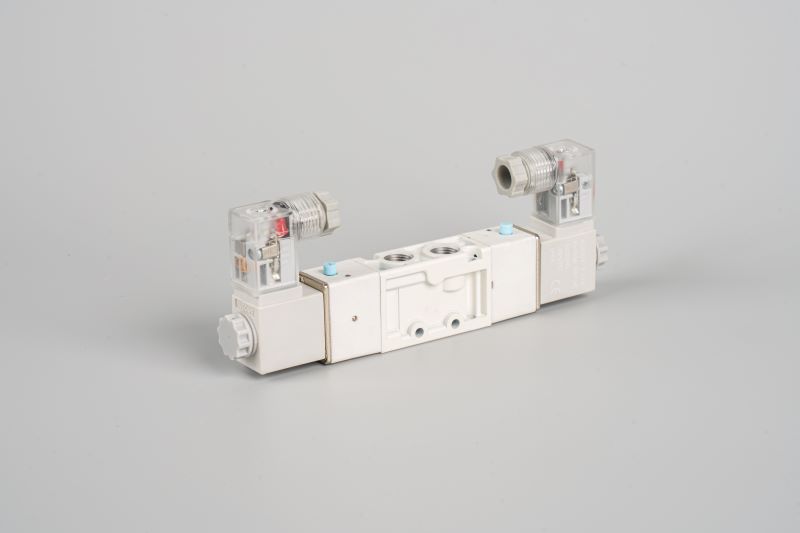
Reliable fluid valves must offer exceptional sealing, stable flow control, long service life, and corrosion resistance to withstand high-pressure, high-temperature, or chemically reactive media. As industries move toward automation, digital monitoring, and increased productivity demands, fluid valves are transitioning from simple mechanical components to intelligent flow-management units capable of improving accuracy and reducing operational costs. The sections below explain how this evolution is unfolding and what advantages premium-grade valves deliver.
How Do Fluid Valves Achieve Precision Control?
To determine whether a fluid valve meets industrial-grade performance requirements, engineers evaluate parameters that influence durability, flow dynamics, and adaptability. These parameters define how efficiently a valve manages pressure, responds to load changes, and maintains sealing integrity across different operating conditions.
Key Product Parameters of Fluid Valves
| Parameter | Description |
|---|---|
| Valve Type | Includes ball valves, diaphragm valves, needle valves, check valves, solenoid valves, etc., each optimized for specific flow control demands. |
| Material Composition | Stainless steel, brass, engineering plastics, high-performance alloys, and corrosion-resistant compounds depending on the medium. |
| Pressure Rating | Ranges from low-pressure pneumatic systems to ultra-high-pressure hydraulic applications. |
| Operating Temperature Range | Determines thermal stability in severe conditions such as steam, heated chemicals, or cryogenic applications. |
| Flow Coefficient (Cv/Kv) | Indicates the flow capacity of the valve and helps engineers calculate system performance. |
| Connection Type | Threaded, welded, flanged, push-to-connect, or quick-mount designs. |
| Sealing Technology | Soft seals, metal seals, elastomers, or high-grade polymer seals based on fluid compatibility. |
| Actuation Method | Manual, pneumatic, hydraulic, electric, or automatic control interfaces. |
| Cycle Life and Maintenance Needs | Impacts operational costs, downtime, and return on investment. |
Understanding these parameters allows buyers to select valves that deliver superior flow accuracy, minimize leakage, and extend service life even in demanding production environments.
Why Do High-Quality Fluid Valves Improve Operational Output?
The advantages of well-engineered fluid valves extend far beyond simple open-and-close functionality. Their design plays a powerful role in overall system output, energy efficiency, and safety control.
How Do Fluid Valves Enhance System Precision?
Fluid valves achieve reliable precision through engineered flow channels, advanced sealing structures, and optimized actuation mechanisms. These elements work together to maintain stable output despite fluctuations in pressure or media viscosity. High-accuracy valves minimize pulsation, reduce cavitation, and help operators maintain consistent pressure levels.
How Do Fluid Valves Reduce Maintenance Costs?
Durable materials and precision machining reduce wear, chemical corrosion, and leakage. This enables longer service intervals and decreases the need for emergency repairs, component replacements, and downtime losses. Advanced valves also incorporate modular designs that simplify on-site disassembly and cleaning.
How Do Fluid Valves Improve Safety in Critical Industries?
In petrochemical plants, pharmaceutical systems, and food-grade environments, safety compliance is a non-negotiable priority. High-quality valves minimize contamination risks, prevent accidental release of hazardous media, and ensure stable output under extreme pressure or temperature. Fire-safe seals, anti-corrosion coatings, and cleanroom-grade materials enhance operational safety across these sectors.
How Do Fluid Valves Support Automation and Digital Integration?
As industries shift toward intelligent manufacturing, fluid valves are increasingly integrated with sensors and electronic actuators. These innovations allow real-time flow monitoring, remote operation, predictive maintenance, and adaptive performance control. Such systems significantly improve automation efficiency and reduce manual labor.
How Are Fluid Valves Evolving Toward the Future?
Technological development, environmental regulations, and global industry upgrades are reshaping the valve sector. Understanding these trends helps buyers anticipate long-term needs.
How Is Smart Technology Impacting Valve Design?
Emerging smart valves combine traditional mechanical precision with digital sensing elements. These components transmit data related to pressure, flow rate, temperature, and cycle life to control platforms. The shift toward smart control helps companies reduce energy waste, detect failure risks early, and optimize system output.
How Are Sustainability Requirements Influencing Valve Materials?
Manufacturers are increasingly adopting eco-friendly materials and optimizing production processes to meet environmental standards. Low-impact coatings, recyclable alloys, and energy-efficient actuation technologies are becoming mainstream across industries.
How Do Fluid Valves Adapt to High-Purity and High-Safety Industries?
Sectors such as pharmaceuticals, semiconductors, and medical devices require ultra-clean, contamination-free valve systems. Advanced surface treatments, non-reactive materials, and particle-free sealing technologies drive the development of specialized fluid valves suited to these applications.
How Will Global Automation Growth Shape the Next Generation of Valves?
Automation growth promotes demand for fast-response, low-leakage, precision-controlled valves compatible with pneumatic and electronic control architectures. Future designs will focus on:
-
Higher accuracy flow regulation
-
Enhanced real-time monitoring
-
Longer service cycles
-
Reduced energy consumption
-
Smarter integration with industrial platforms
These innovations will continue to elevate system performance across manufacturing, energy, and transportation sectors.
Common Questions About Fluid Valves
Q: How can buyers determine the correct valve type for their system?
A: Selecting the correct valve involves evaluating the medium type, pressure requirements, temperature range, flow capacity, operating environment, and automation needs. Engineers typically begin with flow calculations, then assess material compatibility and connection standards before finalizing specifications.
Q: How often should industrial fluid valves be serviced or replaced?
A: Service intervals depend on media corrosiveness, operating pressure, cycle frequency, and temperature conditions. High-quality valves made from durable materials may operate for years with minimal maintenance. Regular inspections and performance testing help identify early wear and ensure safe operation.
How Can a Trusted Supplier Strengthen Fluid System Reliability?
High-performance fluid valves are essential to maintaining efficient, stable, and safe industrial operations. Their design determines flow accuracy, energy efficiency, system durability, and adaptability to future technological developments. Whether used in pneumatic systems, chemical processing lines, medical equipment, or automated manufacturing, the quality of fluid valves directly influences output consistency and long-term cost savings.
A supplier with strong engineering capability and professional manufacturing standards can significantly elevate system performance. QM pneumatic provides advanced fluid-control solutions designed for durability, precision, and compatibility across a wide range of industrial applications. For organizations seeking stable supply, technical expertise, and tailored valve solutions, QM pneumatic offers professional assistance and reliable product support.
For further information, system evaluation, or customized specifications, contact us to discuss project needs and obtain detailed technical guidance.
Send Inquiry




X
We use cookies to offer you a better browsing experience, analyze site traffic and personalize content. By using this site, you agree to our use of cookies.
Privacy Policy